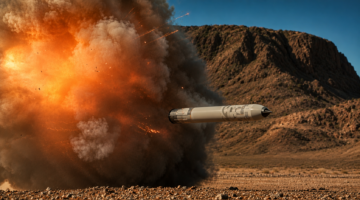
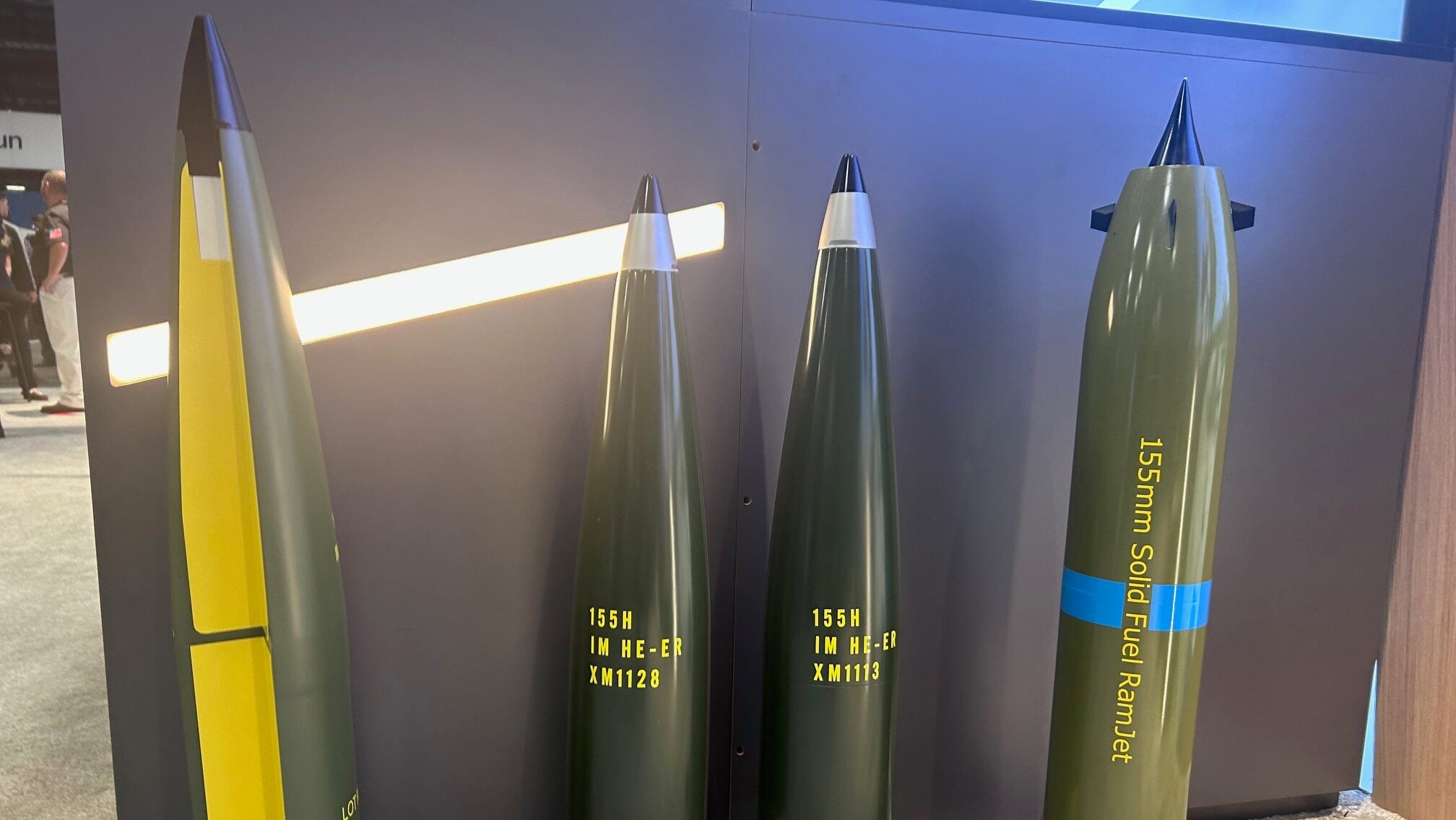
Weaponizing the supply chain for a liquid-fueled howitzer-fired munition that flies 150 km
The goal of such weaponization is to tie warfighter needs to the RDT&E cycle.

The goal of such weaponization is to tie warfighter needs to the RDT&E cycle.

GD-OTS told Breaking Defense it has now reached an agreement with the Army on the way ahead for the troubled Mesquite facility and will invest its own dollars to complete the work.


A commitment to long-term operational value.

In December, Canada became the only non-European country to gain entry into the €150 billion SAFE defense borrowing and procurement scheme.

The order has long been held up by delay to the Defence Investment Plan, which is expected to outline British equipment priorities over the next ten years.


Mobile howitzers fill a critical role on the battlefield, and domestic manufacturing ensures their availability.

According to Poland’s government, the money, which will be spent between 2026 and 2030, will go to a wide variety of systems, including artillery, cybersecurity, ground combat and more.
The goal of such weaponization is to tie warfighter needs to the RDT&E cycle.
“I anticipate you will see an investment from the company themselves, from the industry partner themselves, to ensure they can continue to build out that facility that would make rounds that would primarily be supported by the [foreign military sales],” Army acquisition czar Brent Ingraham told lawmakers.

The document, dated Oct. 20, and marked as controlled unclassified information, sheds additional light onto the Army's plans to host a new competition.
When it comes to predicting the needs of future conflicts, Maj. Gen. John Reim said, “the Army’s gotten it wrong 100 percent of the time.”

The US Army wants a mobile and survivable howitzer that’s built in the US.

Explore how software, edge AI and resilient connectivity can strengthen military logistics in contested environments. Join Breaking Defense on Oct. 21 and earn 1 CPE credit.

“Some of it will absolutely be competed. We're looking at each of the components that SCO has done. … Some of those technologies are more mature than others,” said RCCTO head Lt. Gen. Robert Rasch.

“By far, the most difficult thing [has] been pulling together these different pieces and parts, and mapping supply chains and onshoring all of this education back to the United States,” said Union co-founder Joe Musselman.

A selection of images from on the ground at DSEI Japan.
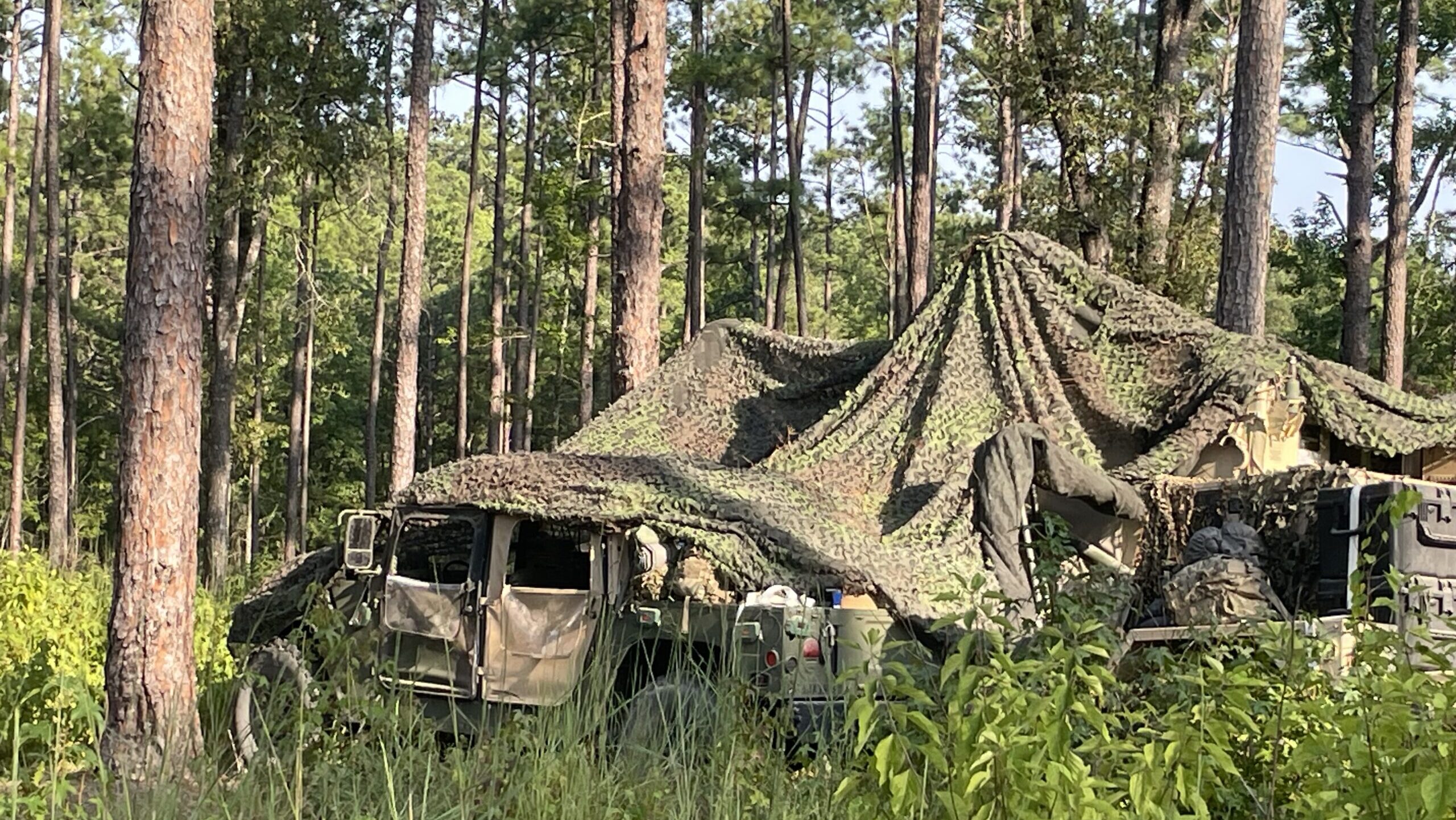
The Army spent 2024 pushing its new “transformation in contact” initiative while also pivoting away from several key weapon development initiatives.